
Legumes are among the most important foods that play a key role in muscle building and promoting overall health. They contain the ideal combination of plant-based proteins, dietary fiber, vitamins, and essential minerals for the body. Since protein is the primary component for muscle building, legumes are an excellent option for vegetarians and those looking to diversify their protein sources in their diet.
The Importance of Legumes in Muscle Building:
1. Rich Source of Plant-Based Protein: Protein is the fundamental element in muscle building, and legumes such as lentils, beans, chickpeas, and fava beans contain large amounts of plant-based protein. The proteins in legumes are rich in essential amino acids that the body needs for muscle repair and growth after exercise.
Lentils: contain about 18 grams of protein per cooked cup.
Beans: contain about 15 grams of protein per cup.
Chickpeas: provide about 14 grams of protein per cup.
Although plant proteins may be less complete than animal proteins, dietary diversity with a variety of legumes and other foods can compensate for this difference.
2. Rich in Healthy Carbohydrates: In addition to proteins, legumes contain healthy carbohydrates, which are a vital energy source, especially during and after exercise. The carbohydrates in legumes are complex, meaning they are digested slowly, providing the body with steady and sustainable energy, which is important for maintaining physical performance and continuous exercise.
3. Support Muscle Recovery Through Fiber: Legumes are rich in fiber, which helps improve digestive health, enhancing the absorption of essential nutrients for muscle growth. Fiber also helps keep blood sugar levels stable, reducing fatigue and tiredness after workouts. This allows the body to recover and build muscle more effectively.
4. Rich in Essential Vitamins and Minerals: Legumes contain many vitamins and minerals necessary for muscle building and improving overall health. Among these elements are:
Iron: helps transport oxygen to the muscles, enhancing physical performance and endurance.
Magnesium: plays an important role in regulating muscle contractions and reducing muscle tension and cramps.
Zinc: boosts immunity and contributes to muscle building and recovery.
Potassium: helps maintain fluid balance in the body and reduces the risk of muscle cramps.
5. Role in Weight Control and Muscle Mass Gain: Legumes are low in fat and rich in fiber, helping to keep you feeling full for longer without consuming large amounts of calories. This makes them an ideal food for those looking to build muscle while maintaining a healthy weight. Eating meals rich in legumes can help increase muscle mass while controlling excess fat.
6. Support Post-Workout Recovery: Legumes contain a combination of proteins and carbohydrates that play a crucial role in speeding up post-workout recovery. Consuming a meal containing legumes after a workout helps replenish glycogen stores in the muscles and repair damaged muscle fibers, contributing to muscle growth.
Best Legumes for Muscle Building:
There are many types of legumes that can be included in a muscle-building diet, including:
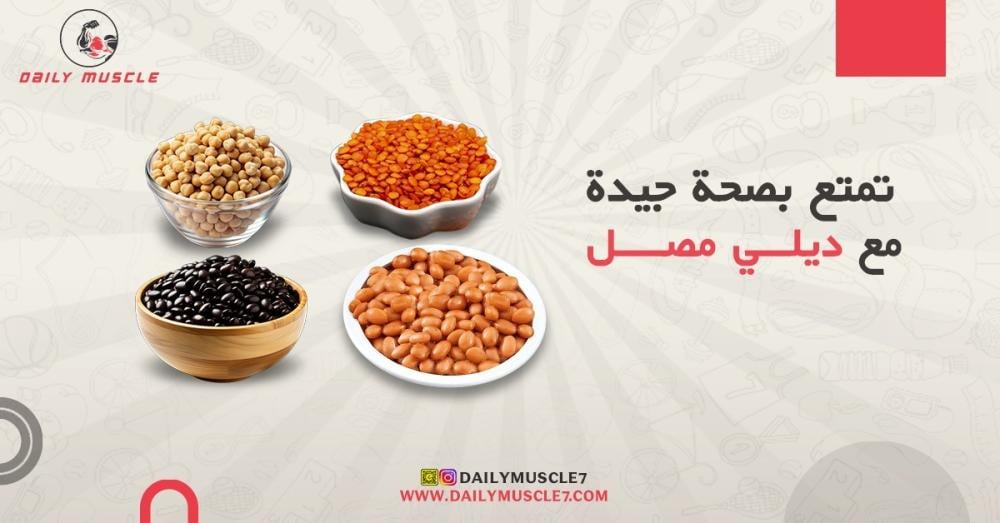
Lentils: One of the richest legumes in protein and fiber, easy to prepare, and can be added to various dishes.
Black Beans: High in protein and fiber, and a good source of iron and magnesium.
Chickpeas: Can be eaten as a snack or added to salads, rich in protein and complex carbohydrates.
Fava Beans: High in protein and fiber, easy to cook, making for a satisfying and nutritious meal.
Conclusion:
Legumes are an ideal food source for muscle building due to their high content of plant-based proteins, healthy carbohydrates, and dietary fiber. Additionally, they are rich in vitamins and minerals that support athletic performance and speed up recovery. Including legumes in your diet is a smart choice, whether you're vegetarian or simply looking to diversify your protein sources to achieve your muscle-building goals.